Bi-fold doors vs sliding doors: which is best for your home in 2026?

If you're extending your home, renovating the back of the house, or planning a self-build project, you'll probably end up asking the same question most homeowners do:
Should I choose bifold doors or sliding doors?
It's not always an easy decision. Both look fantastic. Both bring in plenty of natural light. And both can completely change how a room feels.
The problem is that once you start researching online, every article seems to tell you something different.
Some say bifold doors are the best option because they open almost completely. Others argue that sliding doors are the future thanks to their larger glass panels and slimmer sightlines.
Modern sliding doors have evolved significantly, offering ultra-slim frames and larger expanses of glass than ever before, while today's premium bifold doors continue to deliver the indoor-outdoor lifestyle that made them so popular with uk homeowners in the first place.
The truth is, neither option is automatically better.
It all comes down to how you use your home, what matters most to you, and what you're hoping to achieve from the space.
In this guide, we'll compare bifold doors and sliding doors across design, functionality, energy efficiency, maintenance, property value, and everyday practicality to help you decide which is right for your home.
What's the difference between bifold doors and sliding doors?
The key difference lies in how they open.
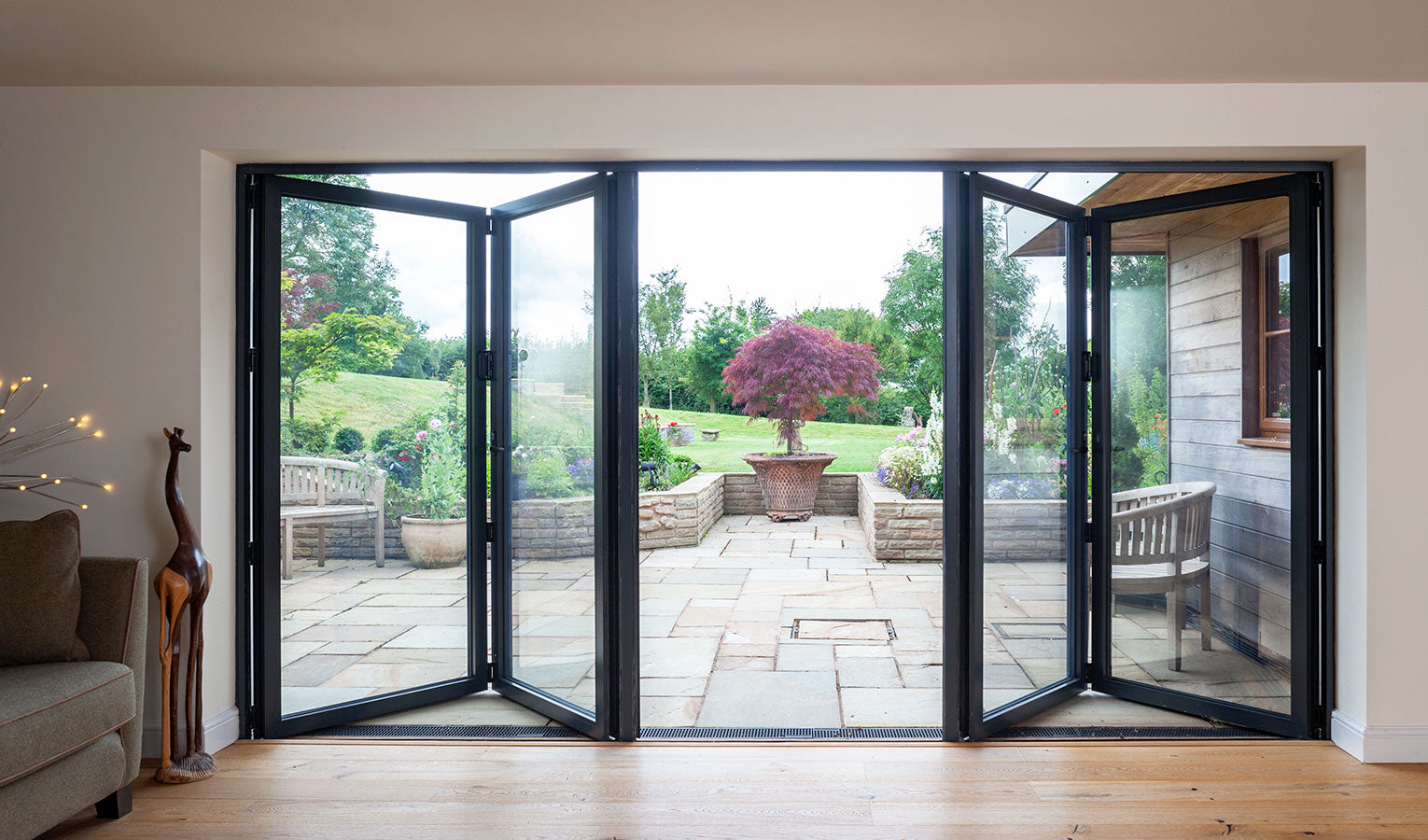
Bifold doors consist of multiple panels that fold and stack neatly to one or both sides of the opening in a concertina-style arrangement. When fully opened, they can leave up to 90-95% of the aperture clear.
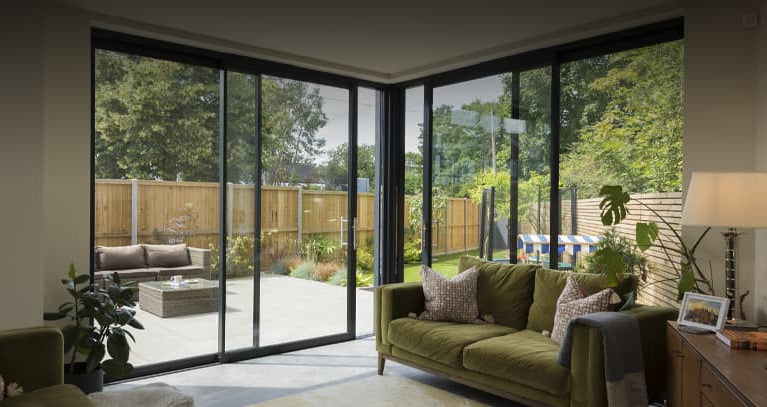
Sliding doors, on the other hand, use large glass panels that glide horizontally along a track. One panel slides behind another, meaning some part of the door system always remains in place. Most sliding door systems provide an opening of around 50-60% of the total aperture.
While both achieve the same goal of connecting indoor and outdoor spaces, they do so in very different ways.

Why the bifold vs sliding door debate has changed in 2026
Go back five or six years and bifold doors were the obvious choice for many extension projects.
If someone was opening up the rear of their property, chances are they were installing bifolds. They became the go-to feature for modern kitchen extensions and open-plan living spaces.
That's started to change.
Today's homeowners pay much closer attention to uninterrupted views, larger glass panels, natural light, and minimalist design. As a result, sliding doors have become increasingly popular in luxury homes, contemporary renovations, and architect-led projects.
At the same time, bifold doors haven't gone anywhere.
They remain one of the most effective ways to create a seamless connection between your home and garden, particularly in spring and summer when outdoor living becomes part of everyday life.
That's why the conversation has shifted.
It's no longer about asking:
"which door is best?"
Instead, the better question is:
"which door works best for the way i live?"
Bifold doors: pros and cons
Advantages of bifold doors
Maximum opening space
The biggest advantage of bifold doors is their ability to open almost the entire width of the opening.
If you're creating a kitchen extension, garden room, or open-plan entertaining space, bifold doors create a truly seamless transition between inside and outside. When fully folded away, they effectively remove the barrier between your home and garden.
Perfect for entertaining
Homeowners who regularly host family gatherings, bbqs, summer parties, or other social events often favour bifold doors because of the unrestricted movement they create.
The ability to open nearly the entire rear elevation makes outdoor spaces feel like a natural extension of the home.
Flexible ventilation
Many bifold systems incorporate a traffic door that can be used independently for day-to-day access.
You can also partially fold back individual sections depending on the amount of ventilation you want.
Highly versatile configurations
Bifold doors can be configured in numerous ways, including:
- Opening from the centre
- Stacking left
- Stacking right
- Opening inwards
- Opening outwards
- Corner opening configurations
This flexibility allows homeowners to tailor the system to their specific property layout.
Potential drawbacks of bifold doors
More visible frames
As bifold doors are made up of multiple interconnected door leaves, they naturally feature more vertical frame sections than sliding doors.
While modern systems feature slim profiles, the additional sightlines can slightly interrupt views when the doors are closed.
Need space for stacking
When opened, the panels need somewhere to fold and stack.
This may reduce usable space on a patio or require careful planning inside the home.
More moving components
Bifold systems contain hinges, rollers, guides, and multiple locking points, which means there are more moving parts compared to sliding doors.
While modern systems are extremely reliable, they can require slightly more maintenance over time.
Sliding doors: pros and cons
Advantages of sliding doors
Uninterrupted views
This is the primary reason homeowners choose sliding doors.
Because fewer frame sections are required, sliding doors deliver larger glazed areas and cleaner sightlines. If your home overlooks countryside, water, open landscapes, or a landscaped garden, sliding doors maximise the view.
More natural light
Larger glass panels allow more daylight to enter the property.
This helps create bright, open living spaces while strengthening the connection between inside and outside.
Contemporary architectural appeal
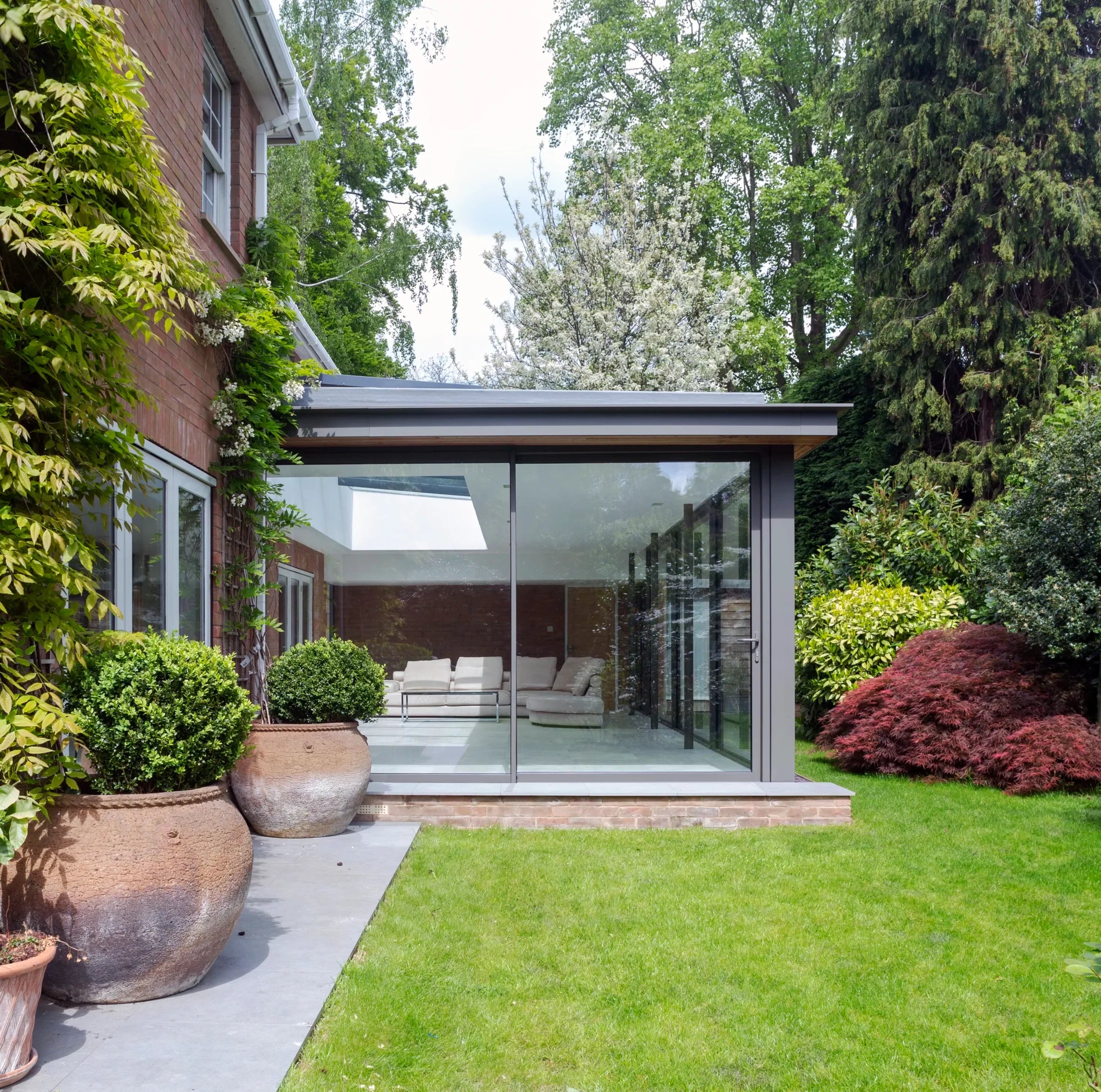
Modern architecture increasingly favours large expanses of glass and minimalist framing.
For this reason, ultra-slim sliding systems have become particularly popular in luxury homes and contemporary self-build projects.
No stacking space required
Unlike bifolds, sliding doors remain within their own frame when opened.
This can be particularly beneficial where patio space is limited or where furniture placement is close to the door opening.
Potential drawbacks of sliding doors
Reduced opening width
The main compromise with sliding doors is that a significant portion of the opening remains occupied by fixed or parked panels.
Most systems only open part of the overall opening.
Less indoor-outdoor integration
Although sliding doors provide excellent views, they don't create the same fully open living experience that bifold systems deliver.
For homeowners seeking a true indoor-outdoor lifestyle, this can be a deciding factor.
Bifold doors vs sliding doors:
Best for views - Winner: sliding doors
The larger glass panels and reduced number of sightlines create a cleaner visual connection to the outside world.
Best for opening up your home - Winner: bifold doors
Bifolds can open up to 90-95% of the aperture, creating a near-complete transition between interior and exterior spaces.
Best for entertaining - Winner: bifold doors
Garden parties, outdoor dining, and family gatherings benefit significantly from the large opening created by bifolds.
Best for contemporary design - Winner: sliding doors
Large panes of uninterrupted glass have become one of the defining features of modern architectural design.
Best for large openings - Winner: sliding doors
Sliding systems are often preferred for particularly wide openings because individual panes can be manufactured significantly larger than bifold panels.
Best for everyday garden access - Winner: draw
The answer depends on usage.
- Bifolds offer exceptional access when fully opened.
- Sliding doors provide effortless daily operation with a simple sliding motion.
Many homeowners are happy using either system for day-to-day living.
What most homeowners regret
After helping homeowners compare bifold and sliding doors, one thing becomes clear. The biggest mistake isn't choosing a bad door. It's choosing the wrong door for the way you actually use your home.
For example:
- Some homeowners choose bifolds because they love the idea of opening the entire wall, only to discover they fully open them a handful of times each year.
- Others choose sliding doors because they love the minimalist look, then realise they wanted easier garden access for entertaining and family life.
- Some focus primarily on views.
- Others care more about creating a social space that flows into the garden.
There's no right or wrong answer.
What's important is being honest about how you'll use the doors on a day-to-day basis.
If your garden is where family life happens, bifold doors may be the better fit.
If you have a stunning view and want to maximise every inch of glass, sliding doors are difficult to beat.
Which door is more energy efficient?
This is one of the most common questions homeowners ask, especially as energy costs remain a major consideration.
A few years ago, many people assumed bifold doors were automatically less energy efficient because they contain more moving parts and more frame sections.
The reality is a bit more complicated.
Modern bifold and sliding door systems have come a long way. High-quality aluminium frames now incorporate advanced thermal breaks, while modern glazing technology, weather seals, and manufacturing standards mean both options can achieve excellent levels of thermal performance.
In practice, the difference between a premium bifold door and a premium sliding door is often much smaller than homeowners expect.
What typically has a bigger impact is:
- The quality of the glazing
- The thermal performance of the frame
- The quality of the weather seals
- The standard of installation
Even the best door won't perform properly if it's installed badly.
While bifold doors hold a slight advantage with energy efficiency, most homeowners will notice far greater benefits from choosing a high-quality product and experienced installer than from focusing solely on the opening style.
Which option adds more value to your home?
Homeowners often ask whether bifold doors or sliding doors will add more value to a property.
The honest answer is that buyers rarely choose a home simply because it has bifolds instead of sliders.
What buyers do notice, however, is:
- Natural light
- Modern glazing
- Energy efficiency
- Easy access to the garden
- Well-designed open-plan living spaces
- Quality finishes throughout the property
A well-designed installation using either system can make a home feel more spacious, brighter, and more desirable.
For traditional family homes and kitchen extensions, bifold doors remain a popular feature that buyers recognise and appreciate.
For modern homes, high-end renovations, and architect-designed properties, large sliding doors are increasingly viewed as a premium feature because of their clean lines and expansive views.
The winner isn't the door itself. It's how well the door complements the property.
What are homeowners choosing in 2026?
Current market trends reveal a clear divide.
Bifold doors remain popular for:
- Kitchen extensions
- Family homes
- Garden-focused renovations
- Entertaining spaces
- Indoor-outdoor living projects
Sliding doors are increasingly popular for:
- Luxury homes
- Self-build projects
- Architectural renovations
- Properties with exceptional views
- Minimalist contemporary designs
One of the strongest trends across the market is a desire for more glass and slimmer frames. Homeowners are increasingly prioritising panoramic views and natural light, making modern sliding systems an increasingly attractive option.
Final verdict: bifold or sliding doors?
If someone asked us which door we see most often in family homes and extension projects, we'd probably say bifold doors.
Why?
Because homeowners love being able to open almost the entire back of the house on a warm day.
For entertaining, family gatherings, garden access, and creating that sought-after indoor-outdoor lifestyle, bifolds are incredibly difficult to beat.
But if someone asked us what we're seeing more of in luxury homes, contemporary renovations, and architect-led projects, the answer would be sliding doors.
Bigger glass. Slimmer sightlines. Better views. A cleaner, more minimalist appearance.
So which is best?
Choose bifold doors if the opening itself is your priority.
Choose sliding doors if the view is your priority.
Neither option is wrong.
The best choice isn't the door that's currently trending. It's the door you'll still be happy with in ten years' time.
Choose bifold doors if you:
- Love entertaining
- Want maximum opening space
- Have a garden-focused extension
- Want a true indoor-outdoor lifestyle
- Prioritise flexibility and access
Choose sliding doors if you:
- Have a stunning view to showcase
- Prefer contemporary minimalist design
- Want larger panels of glass
- Prioritise natural light
- Value uninterrupted sightlines
At Slide & Fold, we supply both bifold and sliding door systems, helping homeowners choose the right solution for their property, lifestyle, and long-term goals. Whether you're planning a new extension, renovating your existing home, or designing a self-build project, our team can help you find a door system that looks exceptional and performs for years to come.
The research and insights in this article were informed by a combination of manufacturer guidance, installer expertise, glazing industry publications, and homeowner resources.