How to Get More Natural Lighting into Your Home

Natural light transforms a home. It makes interiors feel more spacious, uplifting, and energising. Many UK homeowners struggle with dark rooms caused by small windows, awkward layouts, or blocked sunlight. The good news? With strategic architectural choices and smart window and door solutions, you can maximise daylight and create spaces that feel brighter and more welcoming.
Why Natural Light Matters
Light is not just a design element; it affects how we feel and function at home:
- Wellbeing: Sunlight exposure helps regulate circadian rhythms and can improve mood.
- Energy efficiency: Daylight reduces reliance on artificial lighting during the day.
-
Spatial perception: Light enhances the appearance of colours, textures, and architectural features.
Understanding how light interacts with your home allows you to choose windows, doors, and layout adjustments that make the most of it.
Windows That Let Natural Light Flow
Aluminium Casement Windows
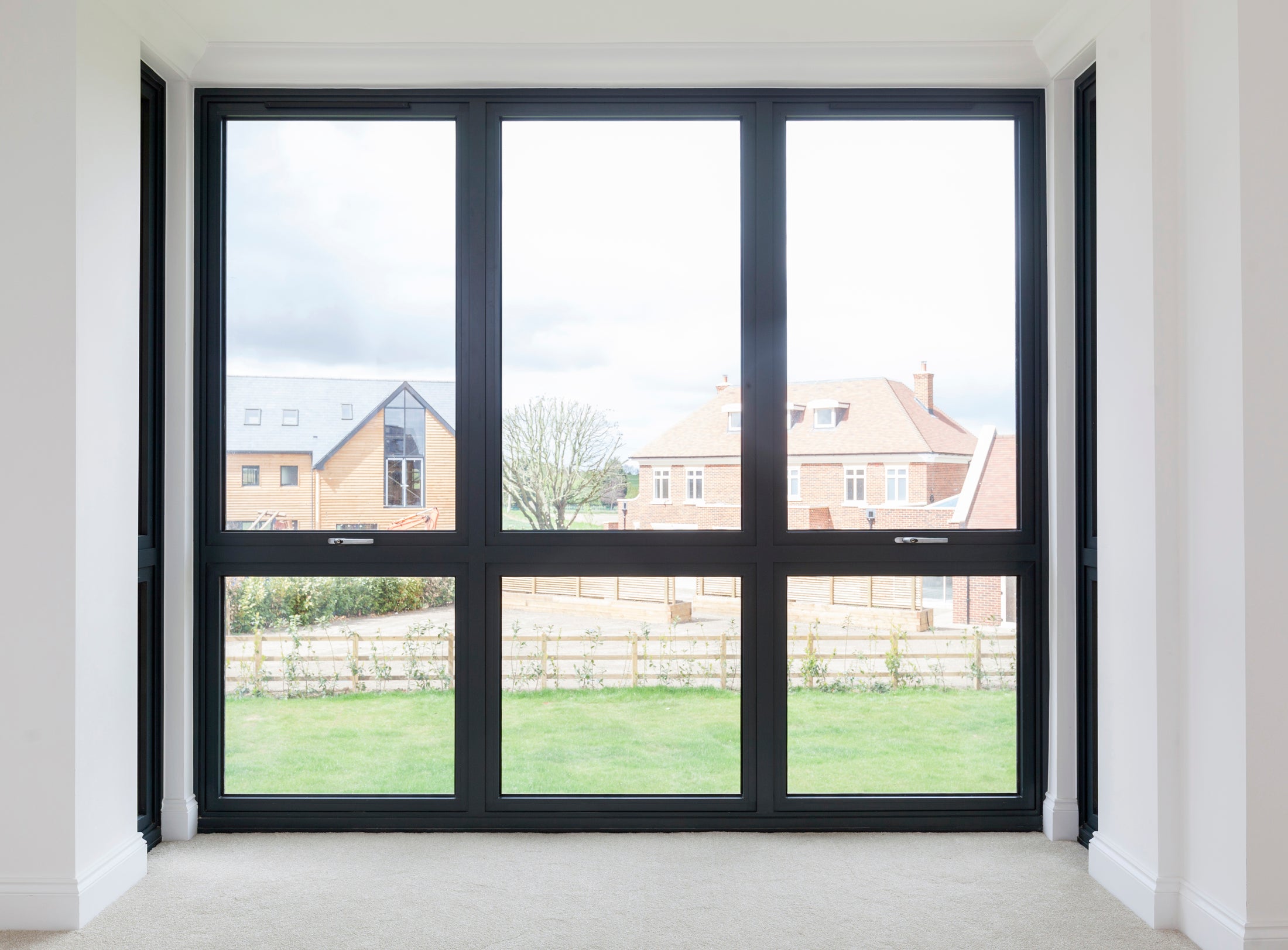
Casement windows with aluminium frames provide slim sightlines and large glass areas, which allow maximum daylight. They are especially effective for rooms facing the garden or outdoor areas where unobstructed light is desirable. Casement windows also enable ventilation without reducing the flow of light.
 Aluminium Rooflights
When wall space is limited, aluminium rooflights bring sunlight directly from above, illuminating kitchens, hallways, and lofts. These are particularly effective in multi-storey homes or areas where natural light struggles to reach, such as internal corridors or centrally located kitchens.
 Shaped Windows
Shaped windows, such as arches, trapezoids, or circular panes, allow daylight into unusual spaces where standard windows may not fit. They are ideal for loft conversions, gables, or rooms with restricted wall area, ensuring light reaches areas that would otherwise remain dim.


Tilt & Turn Windows
Tilt & turn windows offer flexible ventilation and light control. The tilt function lets in gentle airflow while maintaining security, whereas the full-turn option opens the window completely, maximising daylight and unobstructed views. They are particularly effective for kitchens, living rooms, and bedrooms.

Doors That Flood Spaces with Light
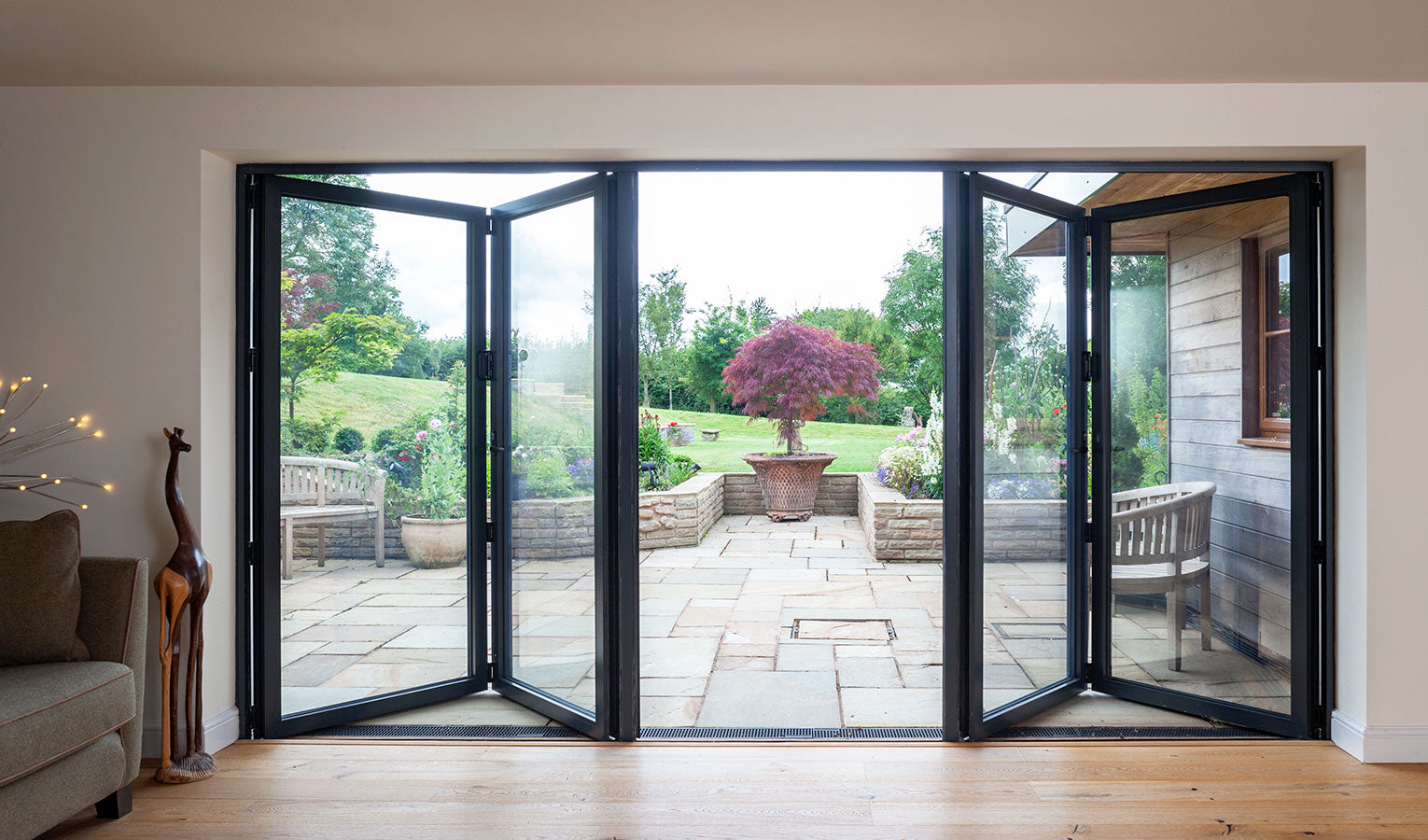
Bi-Fold Doors
Bi-fold doors allow large expanses of glass to bring light deep into living spaces. Even when closed, they provide a panoramic view and illuminate interiors naturally. When opened, they create a seamless indoor-outdoor connection, letting sunlight flow freely from gardens or terraces.

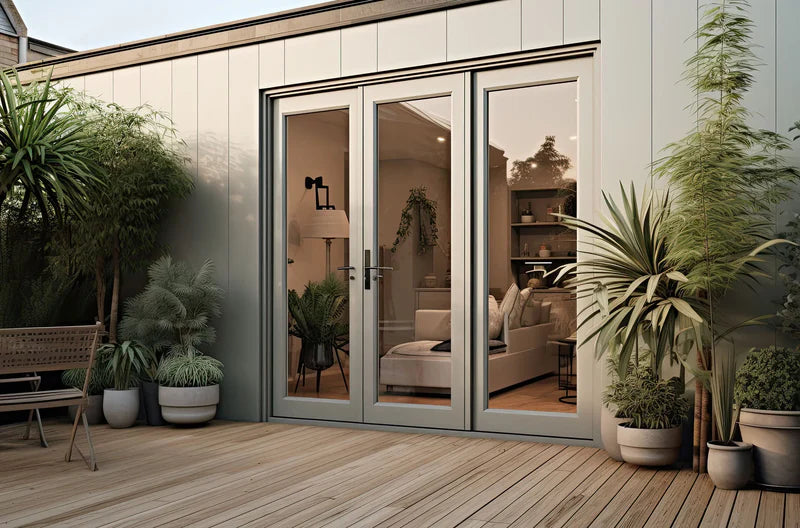
French Doors
French doors offer an elegant way to enhance daylight. Their multiple glass panels allow light to penetrate rooms, even in spaces where larger doors may not be practical. They are particularly effective for smaller dining areas or secondary living spaces.

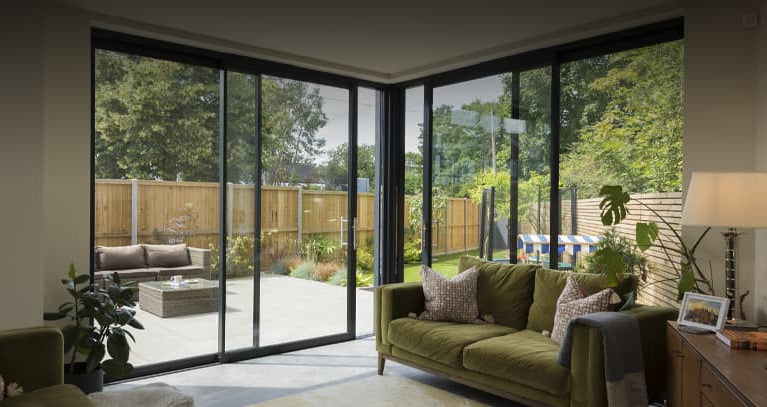
Sliding Doors
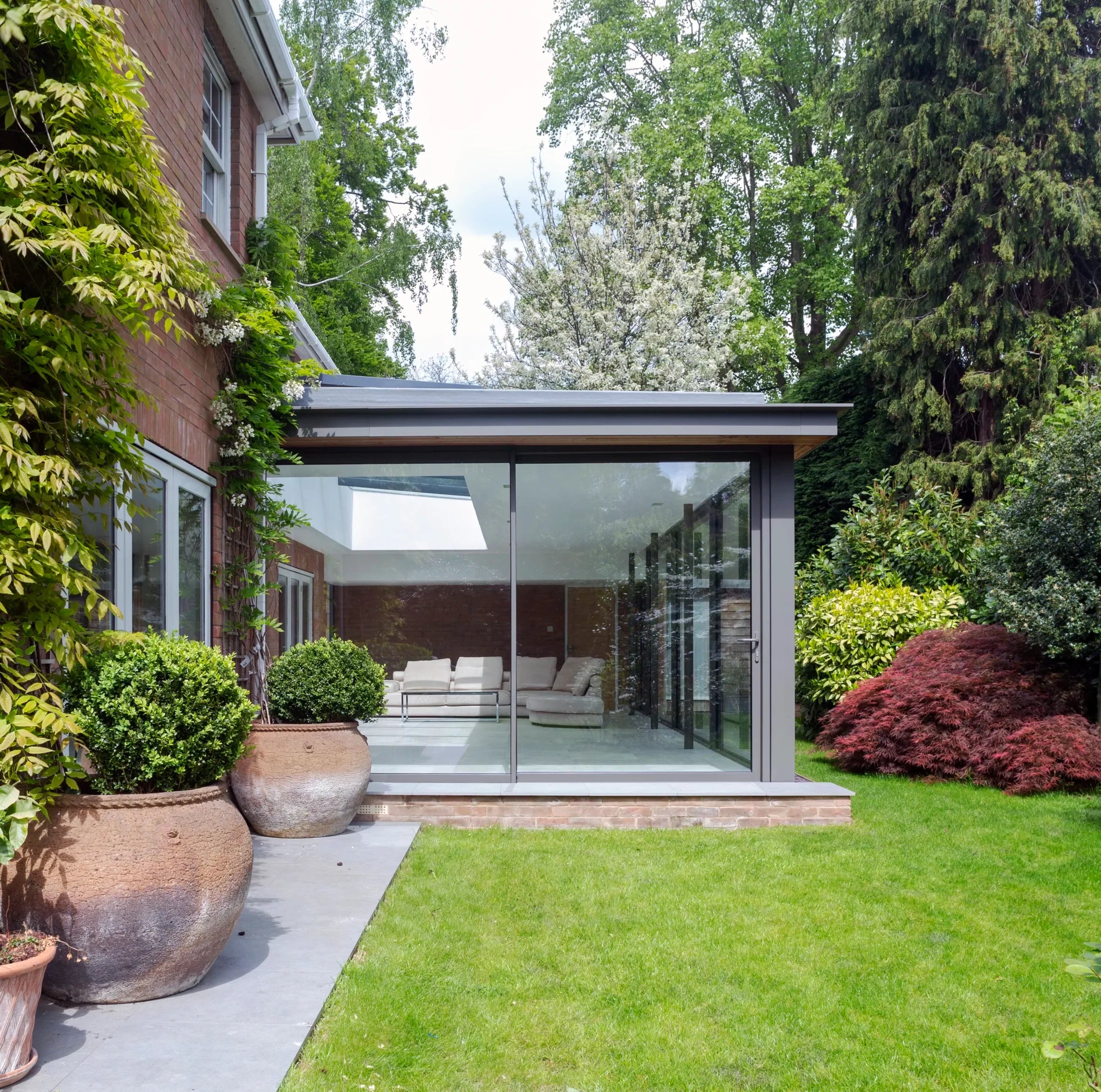
Aluminium sliding glass doors are a practical way to maximise light without requiring additional space for door swing. With wide, uninterrupted glass panels, they are ideal for open-plan areas or rooms where space-saving solutions are needed.

Maximising Natural Light Strategically
To make the most of these windows and doors, consider the following strategies:
- Layer daylight sources: Combine vertical (windows) and overhead (rooflights) glazing to distribute light evenly.
- Plan orientation: South-facing openings capture the most sunlight, while north-facing rooms benefit from rooflights or high-level glazing.
- Internal glass solutions: Glass partitions or internal windows can transfer daylight from bright rooms to darker spaces without sacrificing privacy.
- Keep glazing unobstructed: Avoid heavy furniture or opaque coverings in front of windows and doors.
-
Use light-reflecting surfaces: Light walls, ceilings, or floors help bounce daylight deeper into a room.
These strategies focus on how light moves through your home, rather than just adding more glazing. They are based on architectural principles and practical experience, ensuring effective results.